1. Overview of the Mani Peninsula
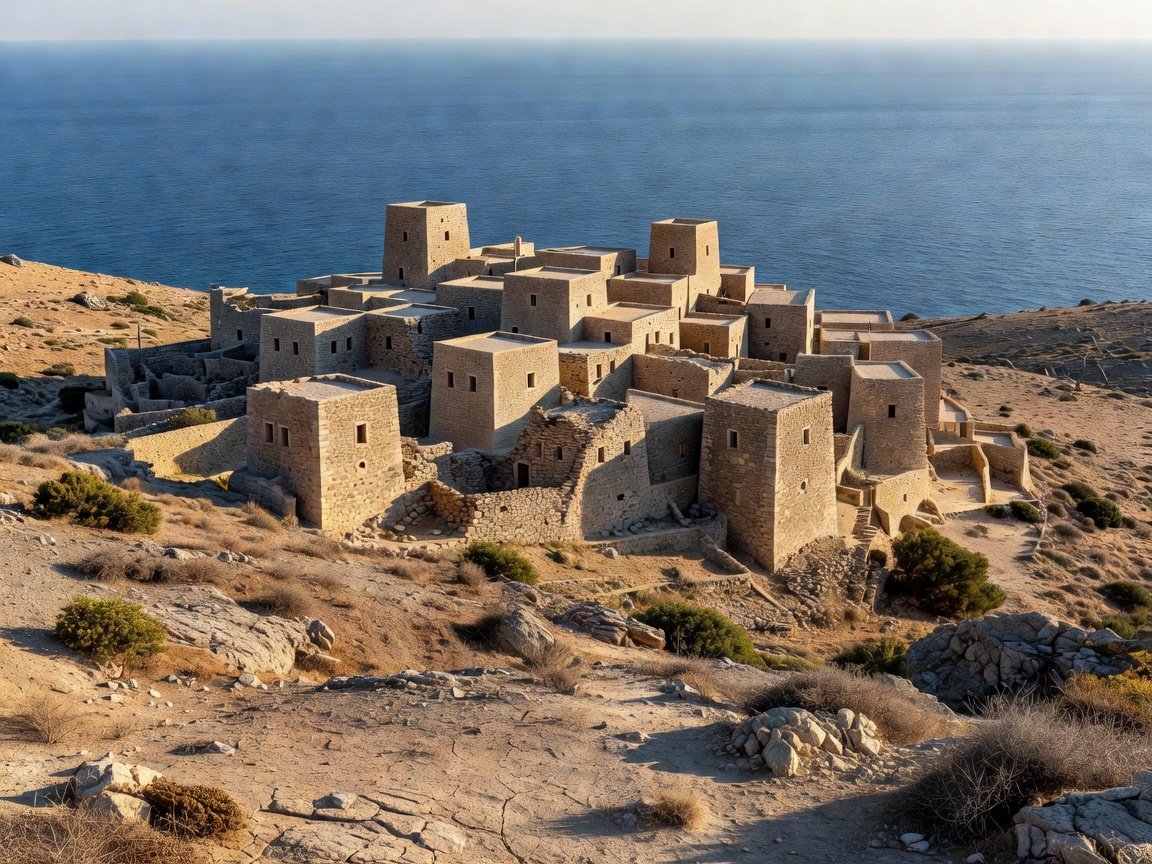
The Mani is the central and southernmost of the three peninsulas extending from the Peloponnese in southern Greece. Guarded by the sheer limestone ridge of the Taygetos Mountains, this region developed a culture of fierce isolation, expressed architecturally through soaring square stone tower houses (pyrgoi).
Transit Ingress: KTEL Messinias bus from Athens to Kalamata, with connecting morning feeders to Kardamyli, Areopoli, and Gerolimenas.
2. The Calderimi Network
Prior to the 1970s, almost no paved roads penetrated the Deep Mani. The primary transit arteries were calderimia—meticulously engineered cobble footpaths with stone drainage gullies. Today, these historical tracks offer peaceful, continuous hiking routes connecting high villages like Exochori and Prosilio down to the sea.
- Thermal Strategy: Between June and September, daytime temperatures exceed 36°C. The recommended traversal window is October to late April, when daytime temperatures hover between 15°C and 22°C.
- Flora & Ecology: The path corridors feature wild sage, oregano, ancient sea-squill, and centenarian olive cultivars (Koroneiki).
3. Recommended Long-Stay Bases
Rather than moving daily, rent stone quarters in Kardamyli, Thalames, or Vathia for 2 to 3 weeks. You can establish relationships with local olive oil producers, communal bakeries, and traditional fishermen in Limeni.